Doctor Stu's Science Blog
Latest Post
Hope and terror: I just had most of my frontal lobe chopped out
The grizzly details
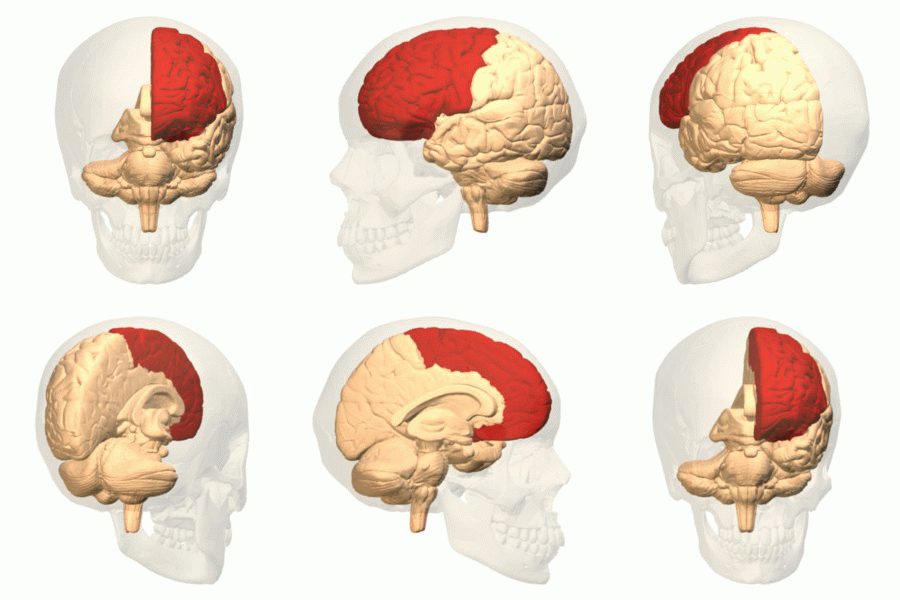
The frontal lobes contain all that makes us human – our personality, thinking abilities, problem solving and memory (image By Polygon data were generated by Life Science Databases(LSDB). - Polygon data are from BodyParts3D.[11], CC BY-SA 2.1 jp, https://commons.wikimedia.org/w/index.php?curid=9499837)
Medical school training had taught me that nerves in the adult brain and spinal cord do not regenerate but are forever lost when damaged. Yet through many tears, I have already experienced that this wisdom does the human brain and body a great disservice. The bodies we have are far more incredible than we give them credit for:
Featured Posts
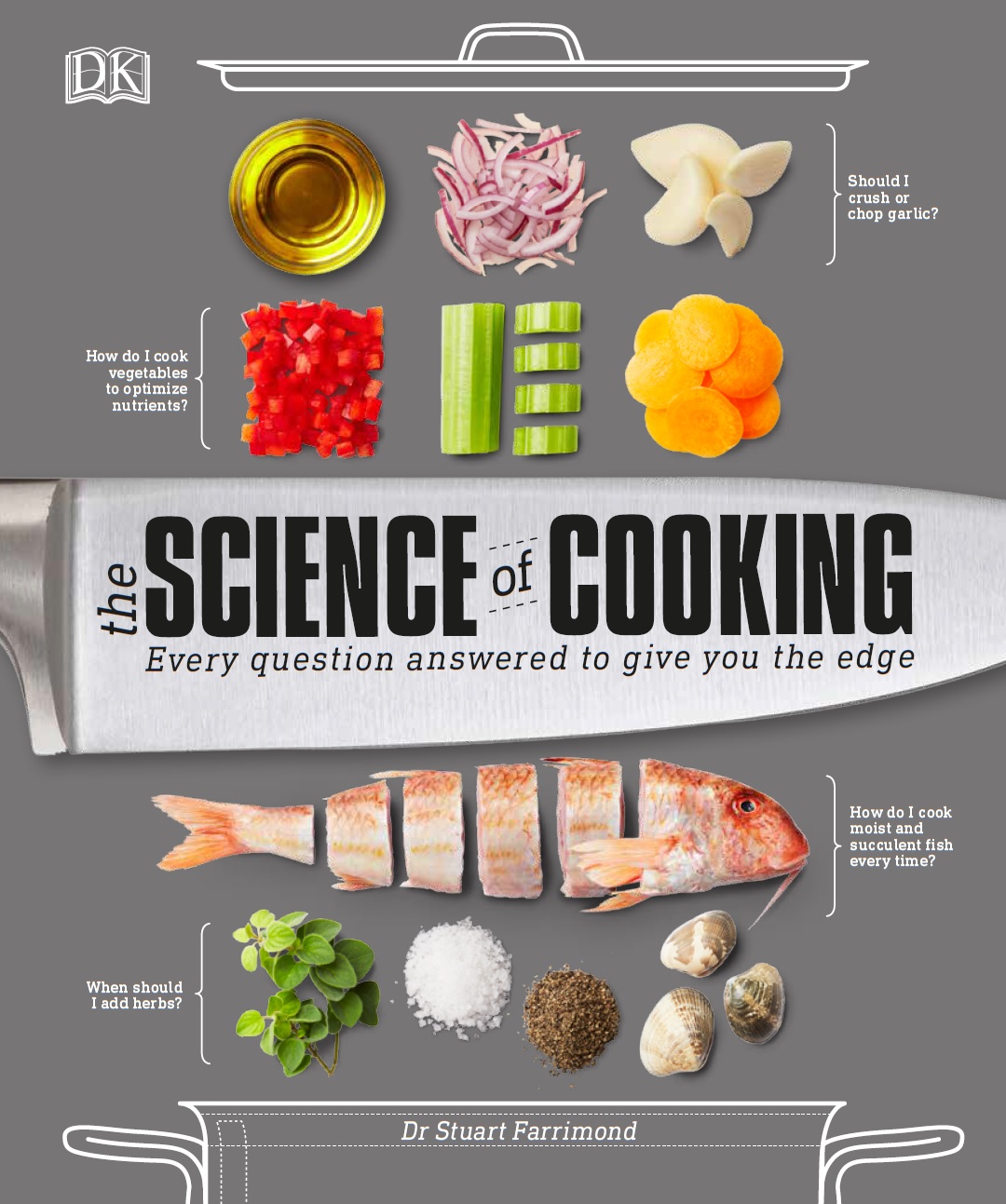
 To celebrate the launch of my recent book, The Science of Cooking: Every question answered to give you the edge, published by DK Books, I am starting a special series of posts about food science. The book answers 160 commonly asked cooking questions, busts lots of culinary myths (no, don’t throw away the mussels that haven’t opened), and gives you lots of how-to and hands-on guides for shopping and cooking impressive dishes without pricey equipment.
Not wanting to spoil any of the surprises within the book itself, consider this series of titbits a something of a hour derves… Continue reading
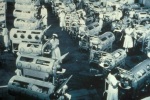 Polio is a disease that should be long dead by now. Some readers will be old enough to remember rooms full of ‘iron lungs’ – grotesque life-support machines that did the breathing for children left paralysed by this deadly infection. With their small heads poking out through a tight rubber seal, steam engine-like contraptions sucked and pressed on the child’s chest in the hope that their strength would recover. Polio infection was also called ‘infantile paralysis’ and it struck terror into the hearts of parents everywhere. The viral disease starts out like a mild flu then attacks the brain and spinal cord. A blight on humankind, children who survived could be left with monstrous deformities. Continue reading
 We’ve all done it: mixed up our numbers and telephoned the wrong person. It’s an easy mistake that’s easy to forgive, but for one Starbucks employee, Meseret Kumulchew, getting her numbers in a jumble landed her in very hot water. While logging the temperature of fridges and water onto the duty roster, coffee shop worker Meseret accidentally wrote the numbers the wrong way round. Apparently accused of fraud and ordered to retrain, she was exonerated earlier this year when the courts ruled her employer had treated her unjustly. She, like an estimated half a million people in the UK, has dyslexia – a condition that many of us simply don’t understand. And the brew is made all the murkier because there is no accepted definition of what dyslexia is. Continue reading
 The sun is shining, the birds are singing and it’s the start of a brand new day. Like many people, I love the mornings and consider myself an ‘early bird’ (after the first coffee, that is). It wasn’t always that way, however. During my teenage years, getting out of bed before 9 am was so difficult that the bed clothes might just as well have been made out of lead. Such slothful adolescent behaviour is common and the cause of endless parental exasperation. Youngsters may not be just being lazy, however, as something strange is happening in their brain. From around the age of 14, the childhood brain rapidly rewires as it matures and develops an adult mind. Throughout this turbulent time of mood swings and emotional angst the teenage body clock also steps back two time zones. Continue reading
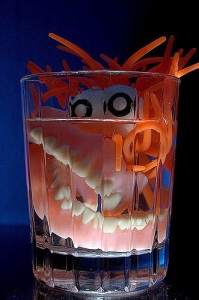 For a long time now, Americans have mocked us Brits for our terrible teeth. They have sneered with their gleaming pearly whites while we have shamefully hidden our crooked yellow fangs. British dental hygiene has been the laughing stock of the Developed World for a long time: in Austin Powers: International Man of Mystery, the goofy super-spy confessed: “All right, I get it, I have bad teeth – In Britain in the Sixties you could be a sex symbol and still have bad teeth!” While I’m not old enough to know whether this was actually true, it is clear that the buck-toothed Brit stereotype has stuck faster than chewing gum.
Our oral reputation decayed even further earlier this month when headlines blared: “Dental Care in England is ‘Third World.’” In an open letter written to The Daily Telegraph, 400 cheesed-off dentists said that dental care in the UK is “unfit for purpose” and has fallen to “Third World” levels. The letter was distinctly light on facts but they referred to a charity that operates in Africa, Asia and Central America, that has started to provide emergency dental care in West Yorkshire for those who unable to find a dentist on the NHS. The numbers of children with rotten teeth has also become a “national disgrace”, they say.
It sounds bad, but you American readers should wipe the smile of their face, because the situation may be even worse on your side of the pond. In a ‘world-first’ investigation published in the British Medical Journal in December 2015, a team of researchers compared the oral health of English and US citizens. Chewing through the over 20,000 adults’ data, the team concluded that Americans’ teeth really aren’t any better than ours. In fact, on average Americans have more missing teeth than the English do. Teeth whitening work is far more common Stateside, but the NHS means that more of us can get dental care without breaking the bank. Separate research has also found that dental health in British children has been steadily improving since the 1970s and today’s kids have fewer decayed or missing teeth than in most other countries, USA, Australia, Japan, and most of mainland Europe included.
It’s hard to argue with leading dentists who see a dental system that is crumbling through lack of staff and funding. They are the ones who care for the children whose teeth have decayed through too much sugar and not enough brushing. That said, the Austin Powers stereotype has grown very long in the tooth and it is time that our American friends admit that their oral hygiene really is no better than ours – even if they have to say it through gritted teeth.
Thanks for reading. Feel free to add your thoughts in the comments below.  Follow @realdoctorstu
Photo credit: Jim Sneddon via Flickr CCFlickr CC
 ‘The witch’ first started speaking evil thoughts into my mind when I was working in a hospital in Gambia, West Africa. To everyone else she was a concerned-looking 50-something woman crouching over a feverish relative. My supernatural sensitivities told me otherwise. Utterly oblivious, I was suffering the horrifying symptoms of schizophrenia and was utterly convinced these hallucinations were real.
It was several weeks later, after returning to the UK, that reality slowly returned and I stopped hearing voices*. It took me years to gain the courage to tell anyone about my experiences - and even longer to write about it. For this is the nature of mental health illnesses: few people want to talk about them, it is shameful to suffer them and – even in 2015 – those affected are often branded ‘mad’ or ‘weak’.
Continue reading
 “You are only as old as you feel,” or so the saying goes. This adage is great for cheering yourself up when the grey hairs start to take root, but science has recently revealed that the time-honoured expression is alive and kicking – the younger you feel, the younger you actually are.
Ground-breaking new research has shown what happens when you follow the lives of 1,000 twenty-somethings over a period of ten years. A team of American and New Zealand scientists monitored each volunteer’s ‘biological of age’ over this period, measuring their ‘true age’ through tests for cholesterol, heart and lung health, immune system function and DNA damage (among other things). Incredibly, they found that each person’s body aged at a different rate. Continue reading
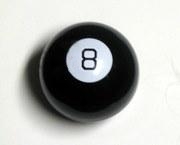 Magic 8 Ball toys are great fun when you’re a kid. The fortune-telling plastic spheres have been entertaining children since the 1950s and are delightfully simple – you ask the black ball a question, give it a shake, and an answer ‘magically’ emerges out of the inky darkness. “Will I be popular at school?” The ball says: “It is decidedly so.” “Should I ask Debbie to out to the disco?“ The ball replies: “Signs point to yes”. “Will I be a millionaire someday”? “Don’t count on it,” replies the ball. All is not lost, however, for those who aspire after the high life: you can keep shaking until you get the answer you want. Continue reading
 Lady Macbeth kept scrubbing but she couldn’t get the marks out. Shakespeare’s character was so wracked with guilt that imaginary blood stains appeared on her hands and, try as she may, she couldn’t get herself clean. It’s not just fiction: research shows that all of us have a powerful urge to wash, bathe, shower, or purge whenever we feel we may have wronged. In the 21st Century, however, we are more likely to feel guilty about a weekend of overindulgences than we are for religious transgressions; but instead of washing our hands we go for a dietary ‘detox’ – the modern day body cleansing craze. In fact, detoxing has now become so widely believed that it is difficult to convince most people that it is utter hocus-pocus – even though the British Dietetic Association, NHS and British Nutrition Foundation all agree that it is just marketing mythology. Continue reading
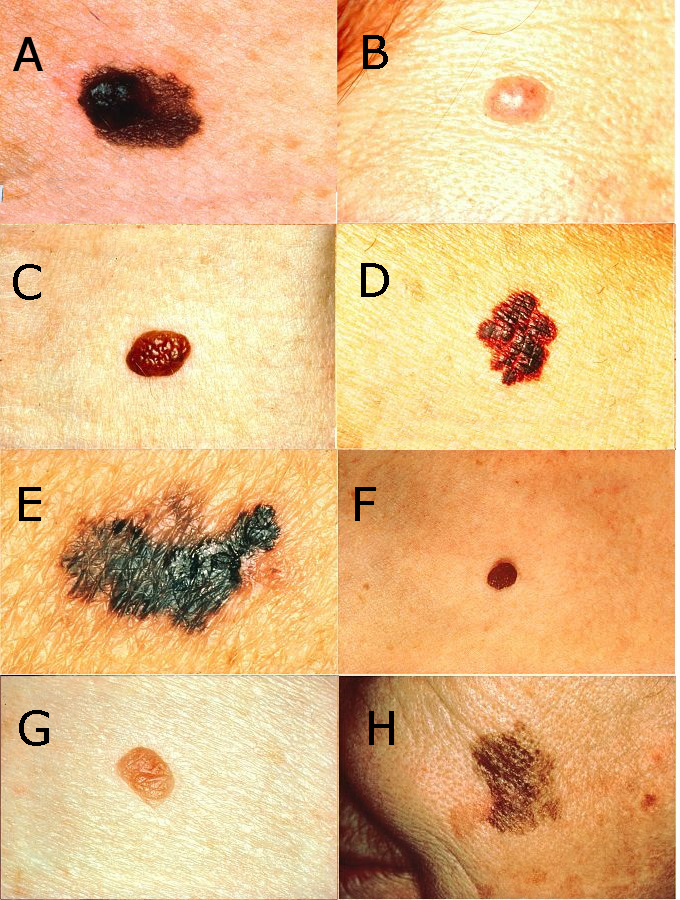
Test yourself: which do you think are malignant skin cancers? Click to enlarge. Answers at bottom of post.
If you ever doubted humankind’s ability to do great things for our planet, just look at the sky. Or rather, look toward the ozone layer high in the stratosphere. If you cast your mind back, you will remember that there was a lot of talk of the ‘hole in the ozone layer’ brought on by CFCs in the eighties and early nineties. Today, no one seems to mention it anymore, even though climate change is still a very hot potato. This fragile ozone layer is the Earth’s way of blocking out the worst of the sun’s harmful UV rays and without it everyone would die of cancer. But ever since all the world’s nations outlawed all CFC-releasing chemicals in 1987 – such as those in fridges and aerosol cans – ozone layer damage has stopped. Better than that, the ozone layer is now actually repairing itself and the ‘hole’ is shrinking. Continue reading
 I have some bad news to tell you – are you sitting down? Well, I’m sorry to break it to you, but your office chair could be killing you. I know it looks harmless, with its ergonomic arm rests and comfy sponge seat, but each hour you spend sitting in it could be causing your arteries to harden. That chair could also be making you fatter and even increasing your chances of diabetes. Continue reading
Buy My Book!





Visitor Map

Buy My Book!
About Dr Stu









 Doctor Stu's Science Blog